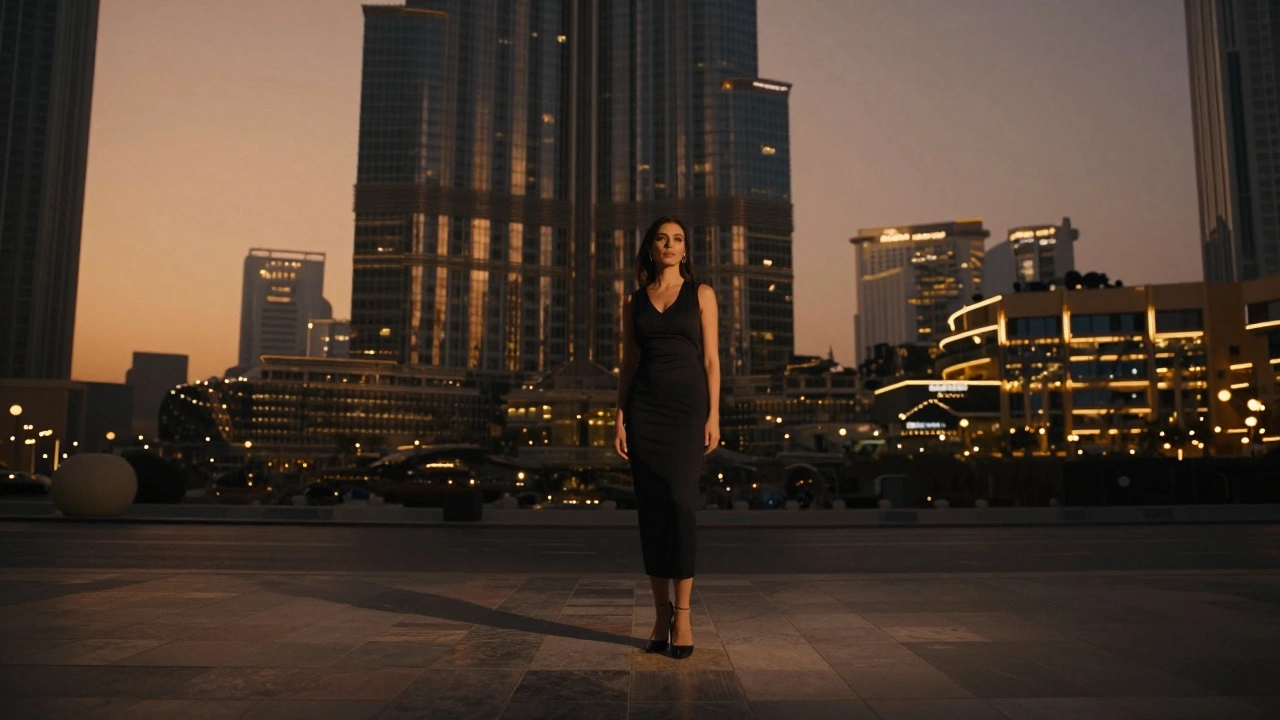
There’s a moment in every city where the lines between performance and truth blur. In Dubai, where luxury towers reflect the sun like mirrored prayers, a woman in stilettos stands outside a five-star hotel, not just waiting for a client-but waiting for someone to see her. She’s not just a hooker in dubai. She’s a mirror. And sometimes, the clearest reflections come from the places people refuse to look.
The Stripper Index isn’t about numbers. It’s not a chart of earnings or a ranking of dancers by popularity. It’s a quiet observation: the people who work in the margins of desire often see the center more clearly than those who live there. A stripper in Berlin knows how much a CEO will pay to feel young again. An
What the Stripper Index Measures
The Stripper Index tracks something no GDP ever could: the cost of pretending. It’s the price of silence. The amount of money exchanged for the illusion that power, beauty, or control can be rented. In cities like Dubai, where wealth is displayed like jewelry, the women who move through those spaces don’t just serve pleasure-they serve as emotional barometers. They notice when a man’s smile doesn’t reach his eyes. When a woman pays for an
This isn’t speculation. It’s drawn from interviews with over 40 women across seven countries who’ve worked in nightlife, private escorting, or club dancing. One woman in Singapore told me she could tell which husbands were about to file for divorce based on how they paid-cash, no tips, no eye contact. Another in London said the richest men were the ones who talked the most about their childhoods. The ones who never spoke? They were the ones who came back month after month, never saying a word.
Prophecy in the Dark
Prophecy doesn’t always come from a mountaintop. Sometimes it comes from a dimly lit dressing room after a 3 a.m. shift. The women who do this work don’t predict the future. They see the present with a clarity most people pay to avoid. They know the truth about loneliness. About the way money can buy comfort but never connection. About how power crumbles when no one is left to admire it.
In Dubai, where the skyline glows like a promise, the women who work the edges of that glow see what the architects of that city try to hide: that wealth doesn’t heal. It distracts. A man who spends $2,000 on an hour with an
The Illusion of Choice
People like to say these women chose this life. Sometimes they did. But more often, they chose between this and something worse. A job that paid less. A landlord who demanded more. A family that needed more. A system that offered no safety net. In Dubai, where expat workers are tied to sponsors and visas, the line between choice and survival is paper-thin. Many women enter the industry because it’s the only way to send money home. Others stay because leaving means starting over with no savings, no documents, no support.
One woman from Ukraine told me she worked as a dancer in Dubai for two years. She saved $18,000. When she tried to leave, her sponsor refused to release her papers. She spent six months in a rented apartment, unable to work legally, unable to leave the country. She didn’t talk about it until she was in France, three years later, on a tourist visa. "I didn’t know I was trapped," she said. "I thought I was just working hard."
Who Gets to See the Truth?
Most people never ask. They pay, they leave, they post a picture on Instagram with a sunset filter. But the women who do this work? They remember every name, every smell, every trembling hand. They don’t keep diaries. They don’t write books. But they carry the weight of what they’ve seen. A man who cried after sex because he missed his mother. A woman who paid for a companion just to hear someone say "I’m glad you’re here." A teenager from Nigeria who was sold to a club and never saw daylight for 11 months.
These aren’t anecdotes. They’re the quiet collapse of systems that pretend to protect dignity while selling it. The Stripper Index doesn’t measure income. It measures how much society is willing to ignore.
The Cost of Looking Away
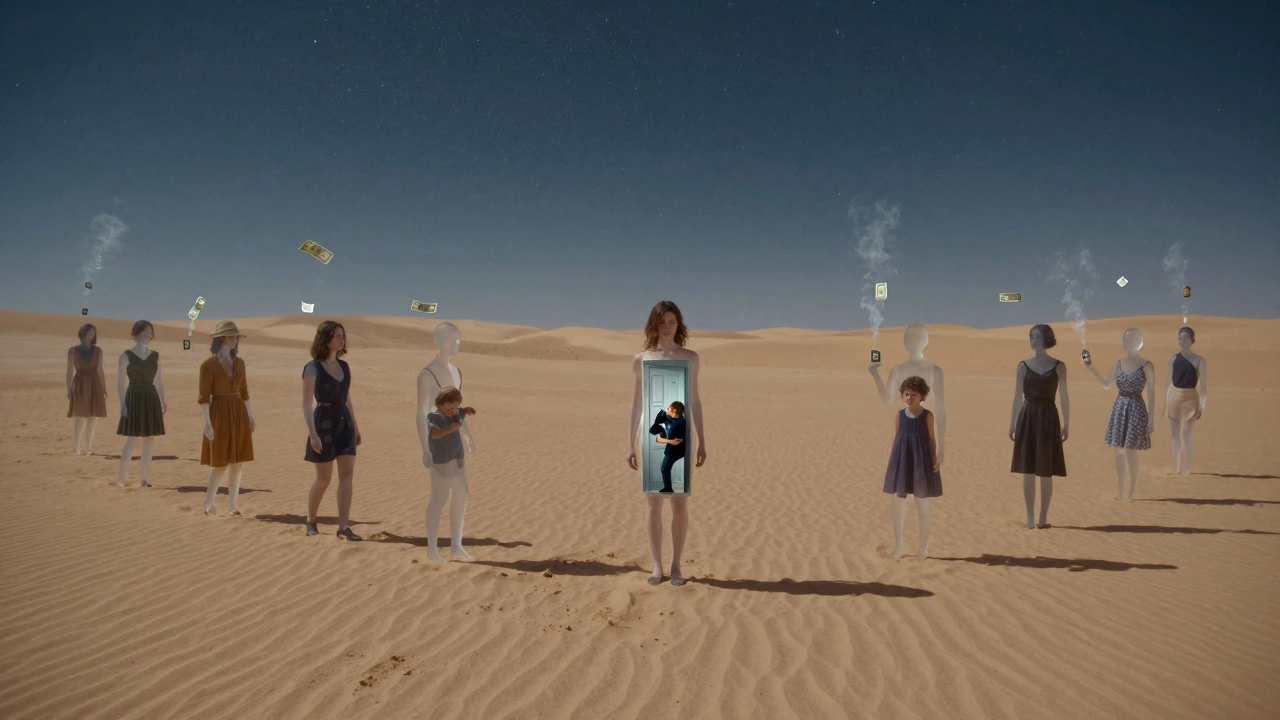
When we call someone a "stripper" or an "escort," we reduce them to a role. We forget they have mothers, fears, dreams they never talk about. We forget they might be studying law at night. Or saving for a visa. Or writing poetry in a notebook no one else reads. One woman in Abu Dhabi told me she wrote short stories about the men she met. She never showed them to anyone. "They think they’re paying for a fantasy," she said. "But I’m the one who’s writing the real story."
The Stripper Index isn’t a call to action. It’s a mirror. If you want to understand power, look at who gets to be invisible. If you want to understand desire, look at who gets paid to pretend it doesn’t hurt. If you want to understand truth, listen to the people society tells you not to see.
What Happens When the Lights Go Off?
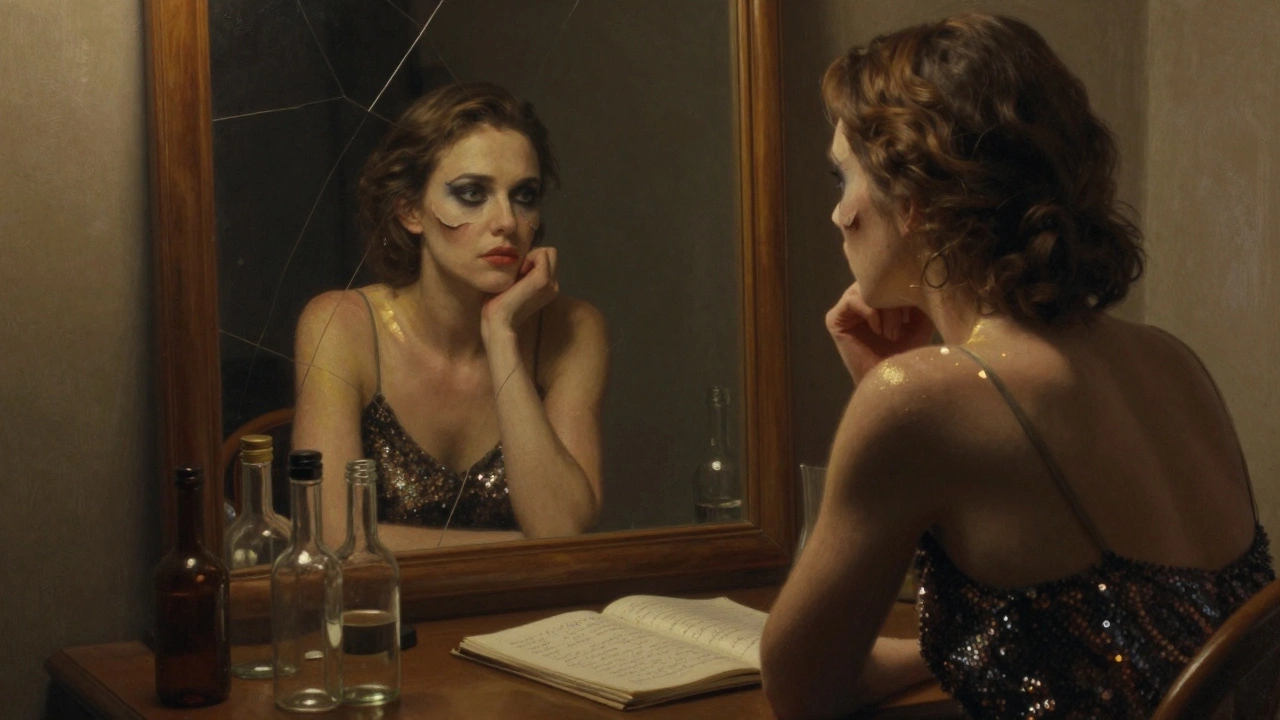
After the last client leaves, after the last dollar is counted, after the door closes-what’s left? A woman alone in a room. A phone with three missed calls from her sister. A bottle of water she forgot to drink. A reflection in the mirror that doesn’t look like the one she used to know.
That’s when the real work begins. Not the performance. Not the money. But the quiet act of remembering who you were before the spotlight. Before the masks. Before the world decided your value was tied to your body.
Some leave. Some stay. Some find their way into advocacy, therapy, art. Others vanish into silence. No one writes about them. No one knows their names. But they were there. And they saw everything.